Experiences
Village Tours
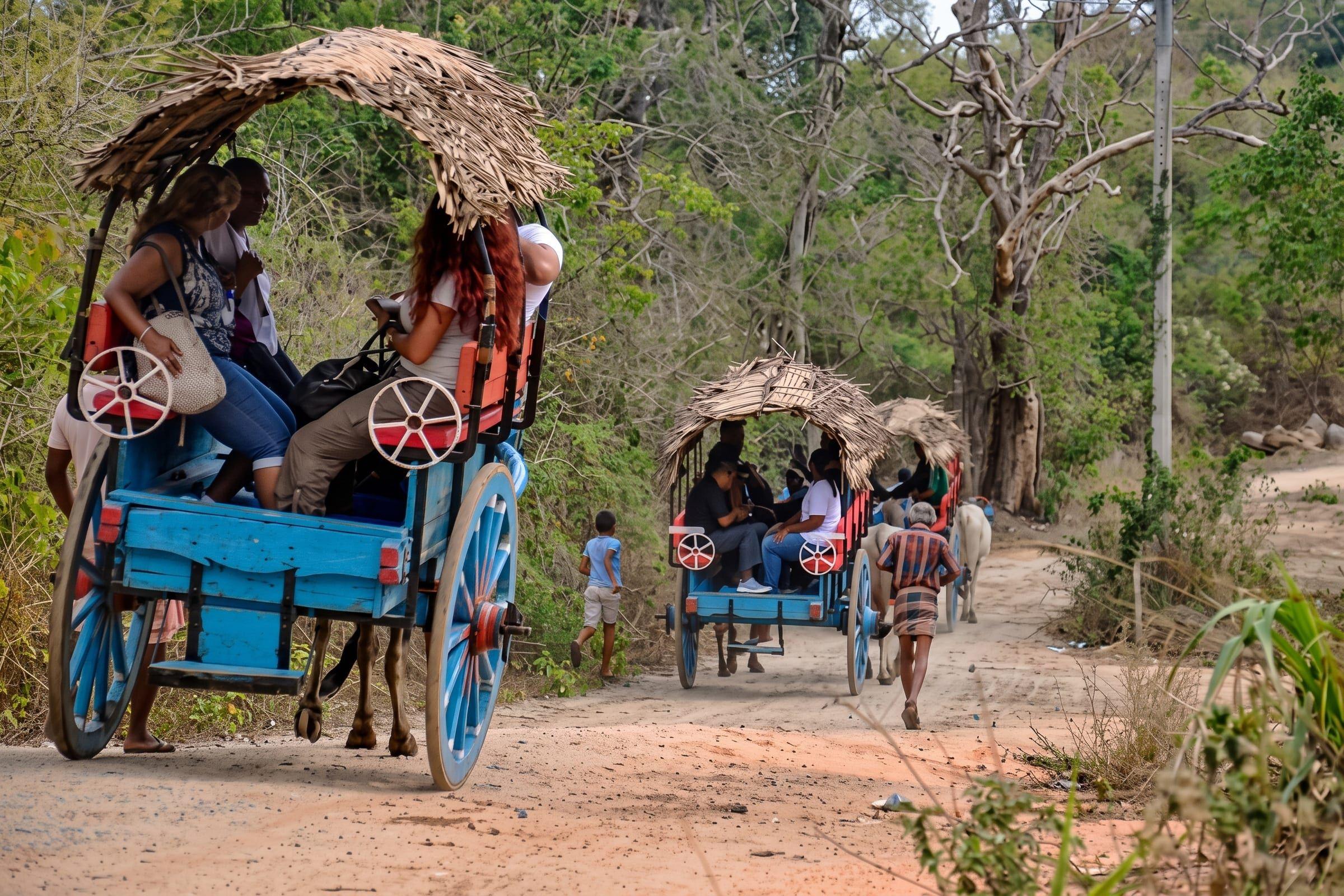
A family's house, their kitchen, their day. Not a performance of one.
About
Why Village Tours here.
Almost every operator sells an authentic village experience and almost none of them tell you what happens between arriving and leaving. The honest problem with this category has a name in the research — staged authenticity, where the bonfire and the drumming are laid on for visitors and everyone can tell. This page is about what a stay actually involves, so you can judge whether you want one.
The food is the real part. Rice and curry is not one dish but a spread: red rice, a dhal, two or three vegetable curries, a mallung of chopped greens and coconut, pickles and a sambol with enough chilli to notice. It is cooked on a firewood stove in clay pots, which changes the taste and takes longer than you expect. If there is a cooking session it usually starts at the market or the village bakery, because buying the ingredients is half of it. Most families eat with their right hand, and you will be shown how rather than handed a fork.
What is expected of you is mostly attention. You are in someone's house, not a hotel with a theme. Shoes come off indoors. Shoulders and knees covered if you visit the temple down the road. Ask before photographing people, including children. A household's day starts early and winds down early, and fitting yourself around that is the whole exchange.
TODO(client): be specific and honest here about what is uncomfortable in the homestays we actually use: bathroom arrangements and whether they are shared, whether there is hot water, fans or air conditioning, how firm the beds are, what the mosquito situation is, how early the household wakes, and how much English the hosts speak. This paragraph is the reason a traveller trusts the rest of the page, so it should not be softened.
Village stays sit well beside slower trips — a night or two near Kandy between the hills and the cultural triangle, or at the edge of Sinharaja before an early birding start.
TODO(client): which villages and families we work with, how they were chosen, how much of what you pay reaches the household, how many guests stay at once, and prices from. Nothing is published here until it is confirmed.
Trips
Village Tours trips.
The village tours itineraries are being written. Tell us your travel month and group and we will build one — every trip runs on request while its page is finished.
Questions
Before you ask.
- What will I eat?
- Rice and curry, which means red rice with several vegetable curries, a dhal, a mallung of greens and coconut, pickles and a chilli sambol. It is cooked on a firewood stove in clay pots. Breakfast is often string hoppers, hoppers or roti rather than anything Western.
- Do I have to eat with my hands?
- No, but it is how the household eats and you will be shown the technique if you want to try — right hand only, mixing with the fingertips rather than the whole hand. Cutlery is available if you prefer it.
- Is it a real family home or somewhere built for visitors?
- TODO(client): say plainly which it is for the places we use — a family's own home, a separate guest room on the property, or a purpose-built guesthouse. This is the question that separates a real stay from a staged one, so answer it precisely.
- What should I bring and wear?
- Clothes that cover shoulders and knees for temple visits, something to sleep in that you would be comfortable walking to a shared bathroom in, and a torch. TODO(client): whether bedding, towels and mosquito nets are provided.
- How long should a village stay be?
- One or two nights. It is an addition to a trip rather than the trip — long enough to eat properly and see a morning, short enough that you are not an imposition on a working household.
- How much of what I pay goes to the family?
- TODO(client): the actual arrangement — what the household is paid, whether it is per guest or per night, and what we retain. Travellers ask this and a vague answer reads as evasion.
Keep exploring