East coast
Trincomalee
Calm east-coast beaches and Pigeon Island snorkelling, May to September.
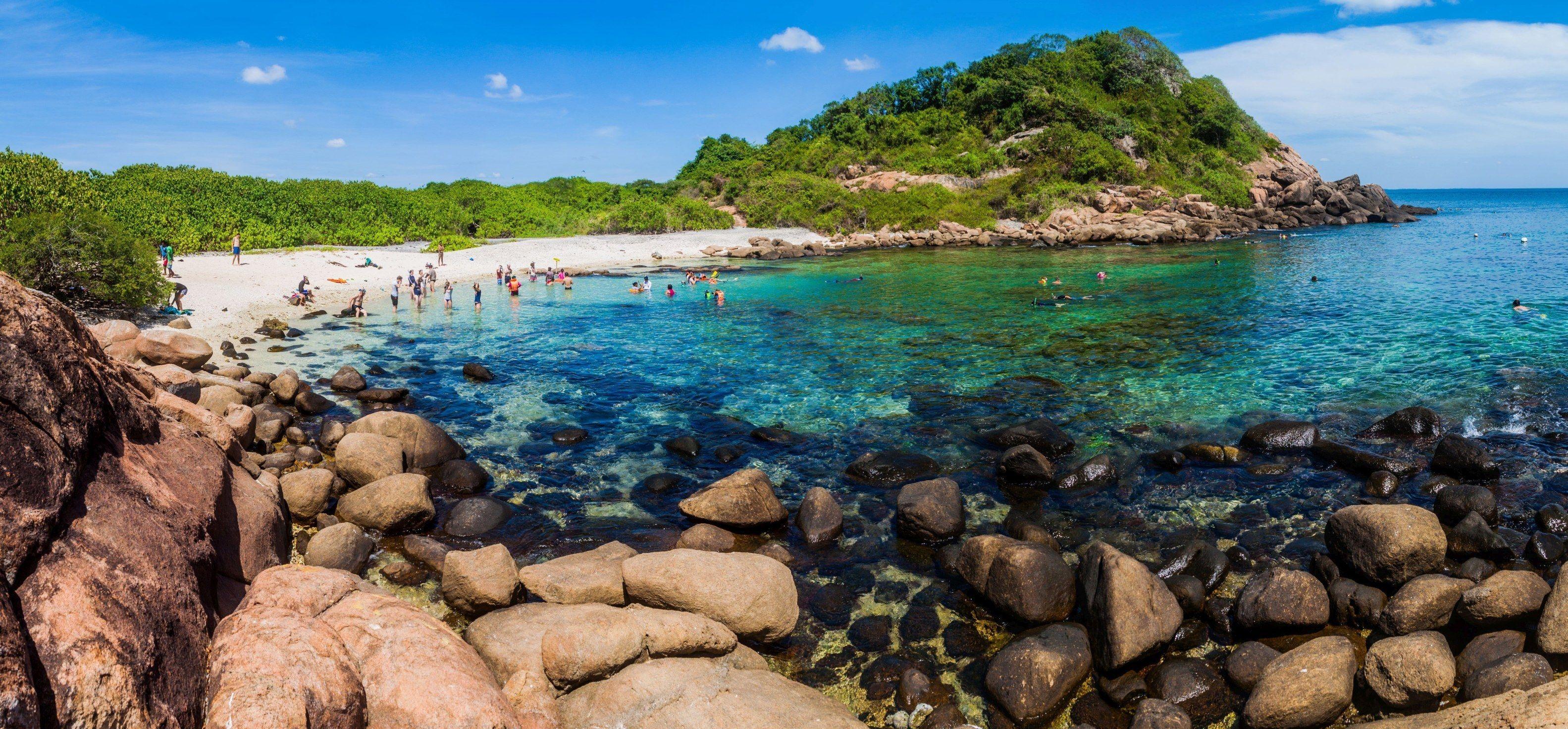
Trincomalee is a port town on the north-east coast, built around one of the largest natural harbours in the world, with long, calm beaches to the north at Uppuveli and Nilaveli. Its season is the opposite of the south’s: dry from May to September, when the sea on this side of the island is flat enough to swim.
Pigeon Island, a small national park off Nilaveli, is the main snorkelling trip: shallow coral, reef fish, and often blacktip reef sharks. It is busy, and the reef has suffered from bleaching and from visitors standing on it. Go early and do not touch the coral. TODO(client): confirm current access and permit arrangements for Pigeon Island.
Uppuveli, closer to town, has more guesthouses and restaurants; Nilaveli, further north, is longer, emptier and quieter. The beaches face east, so the early morning is the time to swim, and the sunrise comes up over the sea.
In town, Koneswaram, a Hindu temple on the cliffs of Swami Rock, looks straight out to sea. You reach it through Fort Frederick, which is still in military use. Trincomalee is a mixed town — Tamil, Muslim and Sinhalese — and its temples, mosques and market are as much a part of a visit as the beaches.
From November to March the northeast monsoon brings the rain and rough seas, and October and April can go either way. It is not a surf coast — that is Arugam Bay, further south — and it is not a nightlife coast either. It is quieter and more local than the south.
Trincomalee pairs with the cultural triangle, because Sigiriya is dry over the same months, and with Jaffna further north.
Where else to go
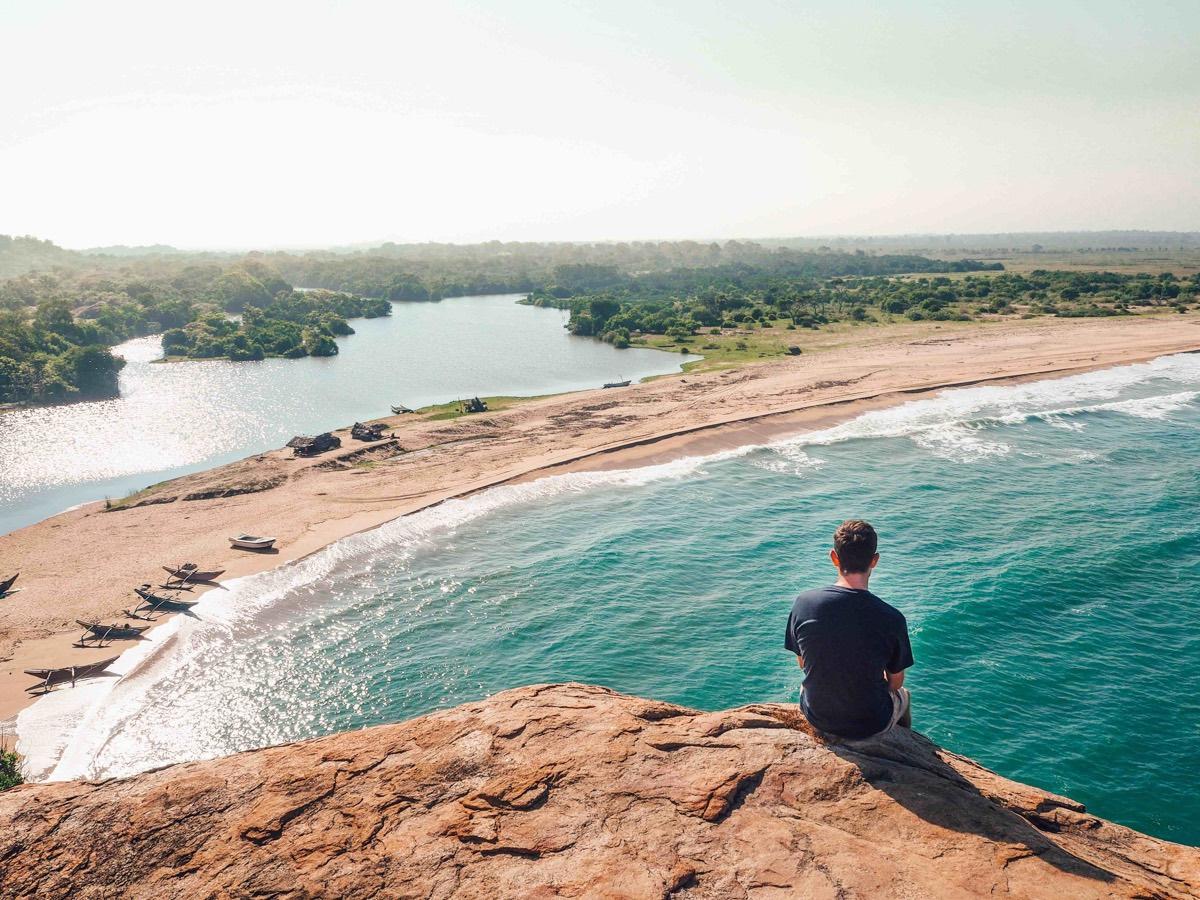 East coastArugam BayEast-coast surf town, May to September. Quiet to the point of closed otherwise.
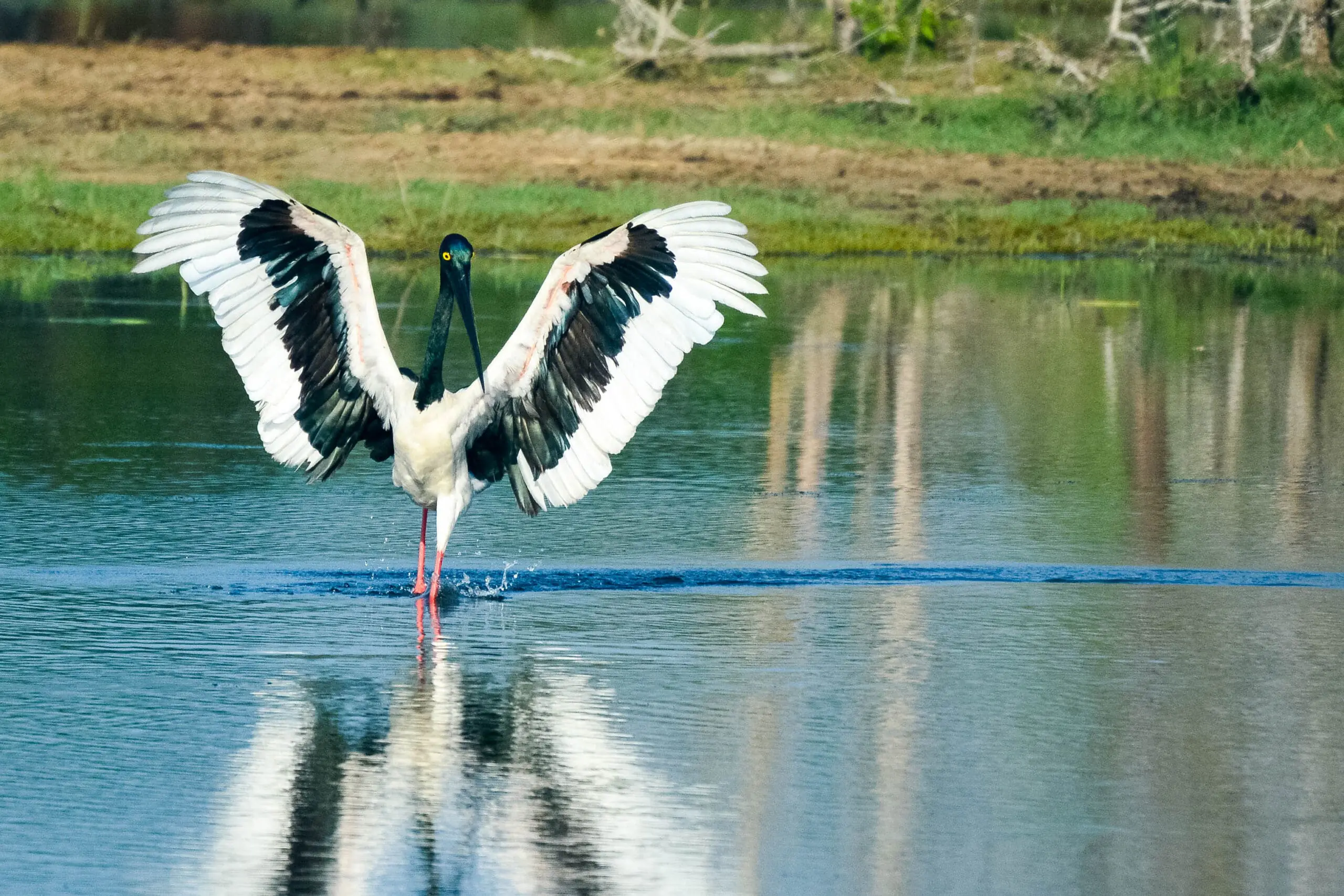 East coastKumanaNesting waterbirds April to July. Remote, and it can close in the wet season.
- West coastKalpitiyaNorthwest kitesurfing peninsula. Two wind seasons, strongest June to August.
- Hill countryKitulgalaRainforest rafting town on the Kelani. Grade 2-3, best May to December.
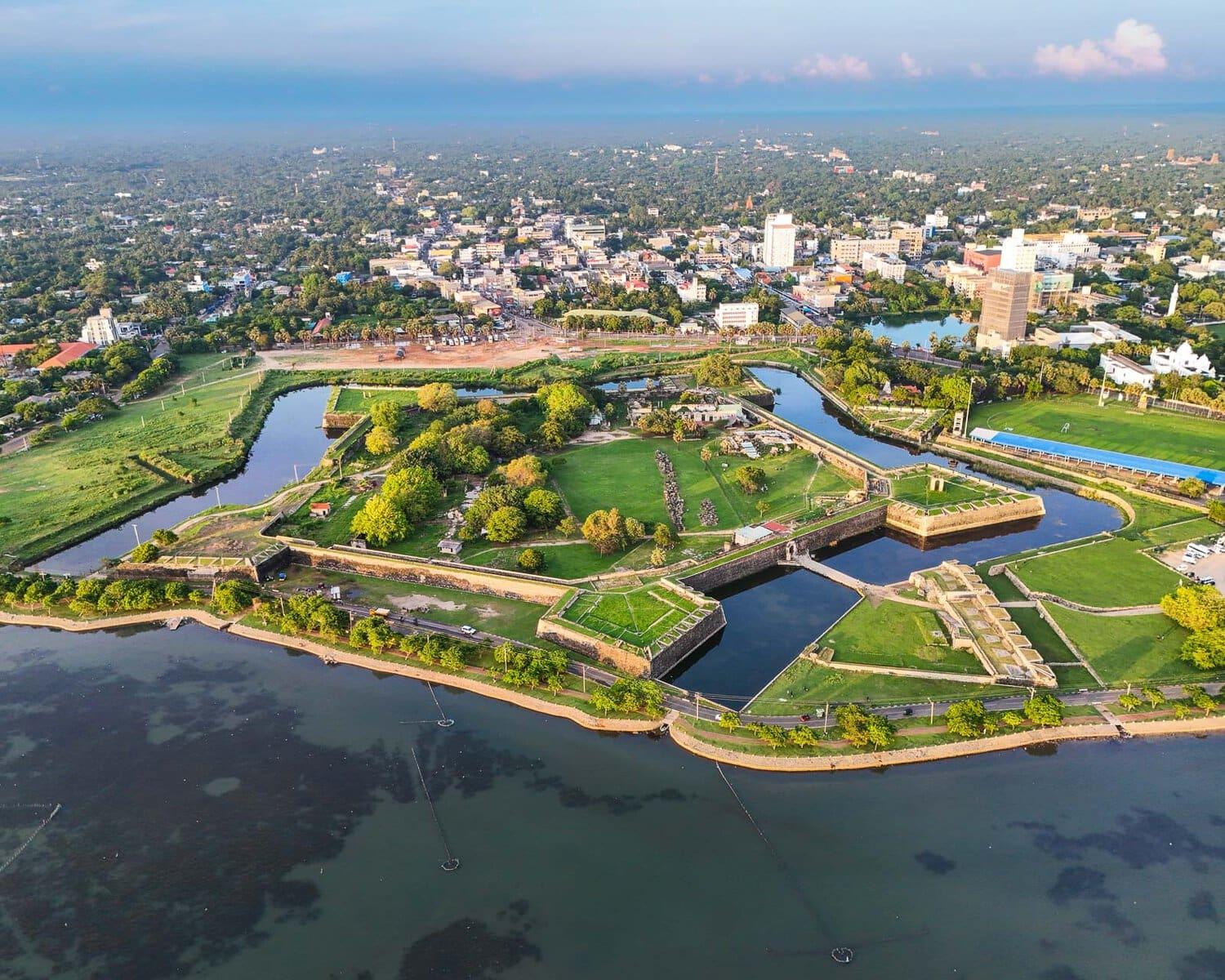 NorthJaffnaTamil north, temples and island ferries, March to September. Hot, and far.
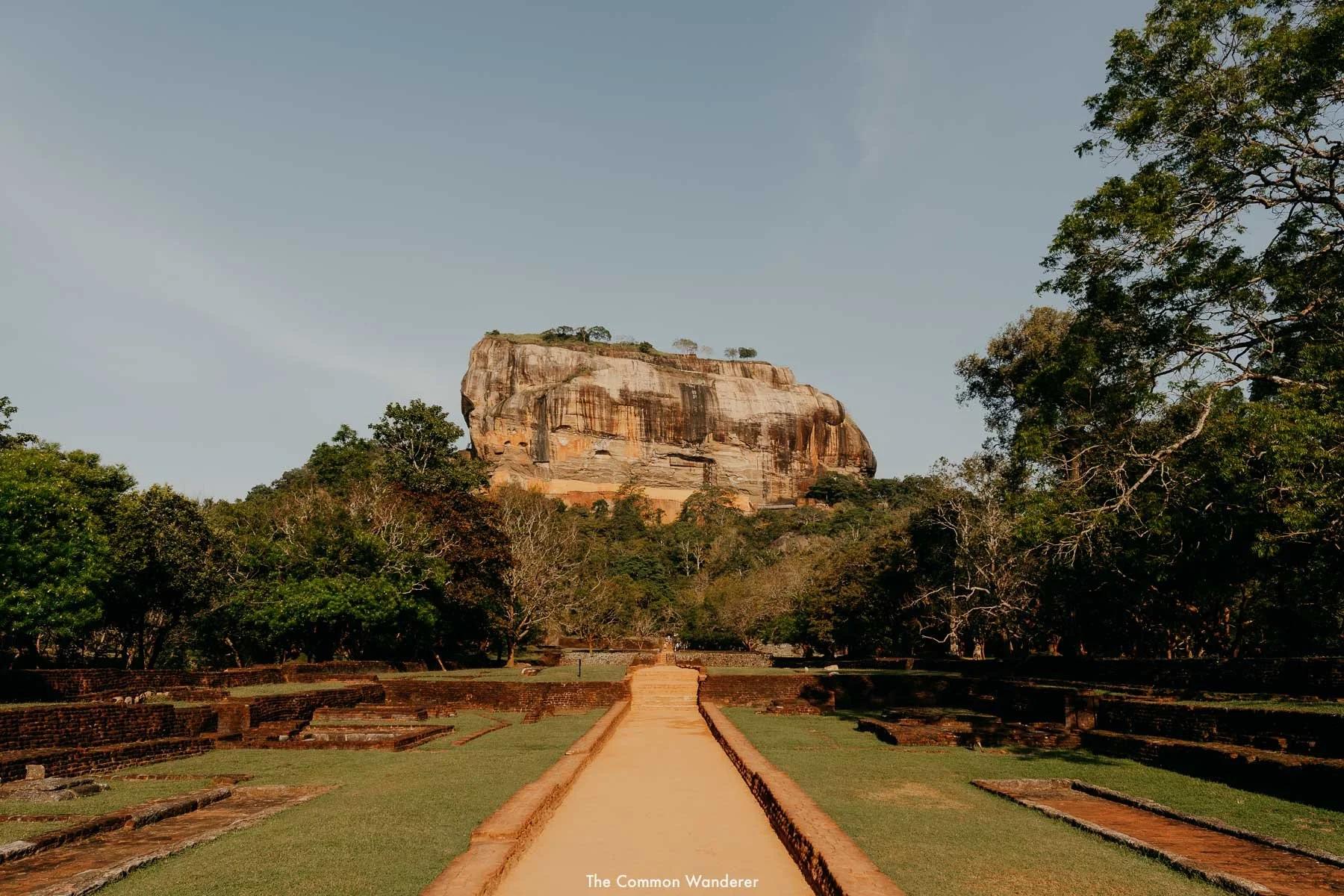 Cultural triangleSigiriya5th-century rock fortress. A hot, exposed climb of about 1,200 steps. Go early.