Experiences
Bird Watching
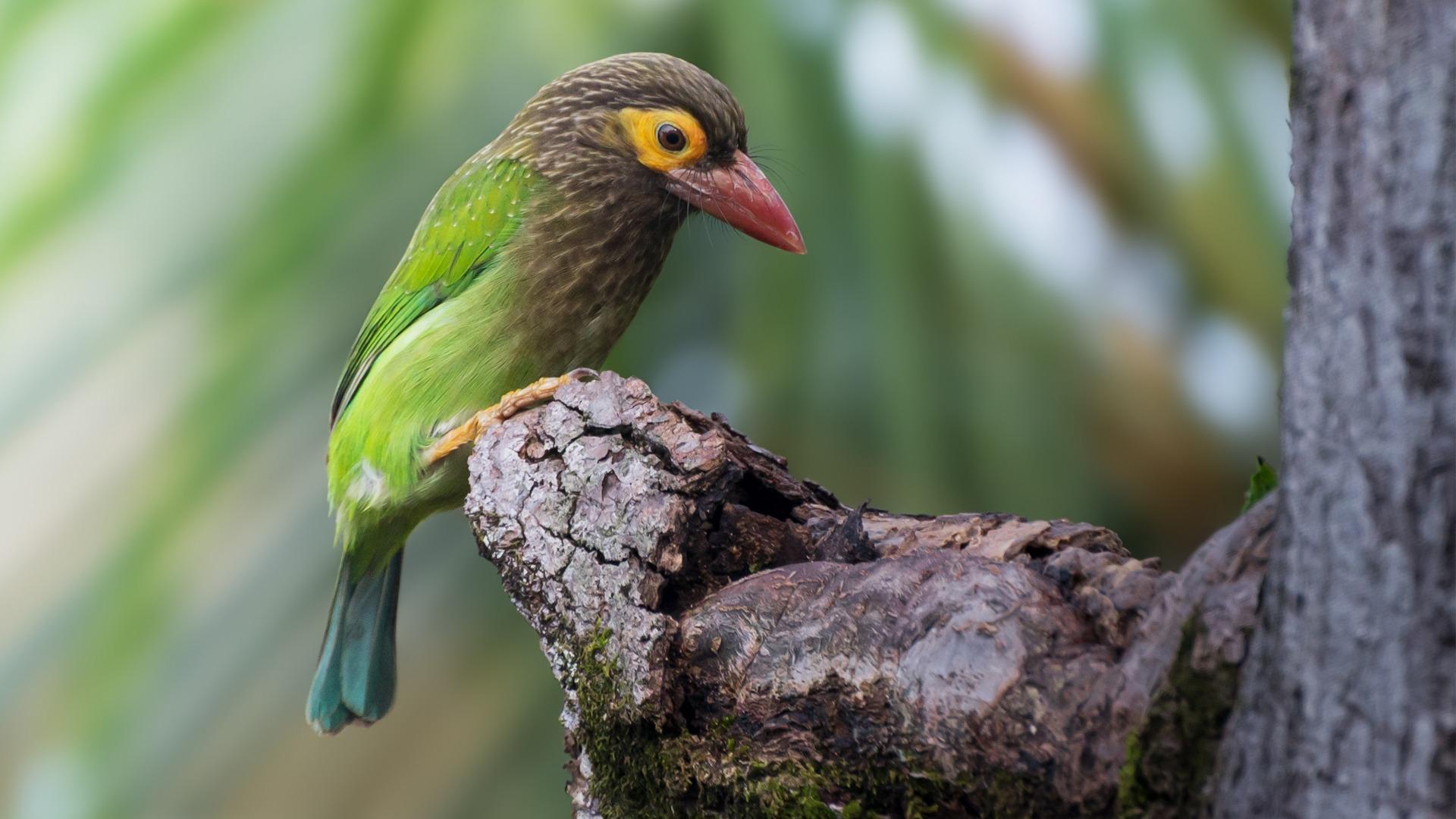
Thirty-odd endemics. Sinharaja, Bundala, Kumana.
About
Why Bird Watching here.
Sri Lanka has more endemic birds than its size suggests: 34 species found nowhere else, on the most widely used current count. TODO(client): confirm which checklist our guides follow — the figure changes with taxonomy. Most of them live in the wet south-west and the hills, which is why a Sri Lanka birding trip is built around three kinds of place: the lowland rainforest at Sinharaja, the montane forest around Nuwara Eliya, and the dry-zone parks on the coasts.
Sri Lanka and India’s Western Ghats are listed together as one of the world’s biodiversity hotspots. Most of the island’s endemic birds are confined to its wet zone, the south-western quarter, and much of that zone’s forest has been cleared over the last two centuries for tea, rubber and rice. That is why the reserves that remain, Sinharaja first among them, are where the birding is.
Sinharaja is a UNESCO World Heritage Site and the island’s best-known endemic birding. Its mixed-species feeding flocks — a dozen or more species moving through the forest together, often led by orange-billed babblers and Sri Lanka drongos — have been studied since 1981. A single flock can carry several endemics at once: Sri Lanka blue magpie, red-faced malkoha, orange-billed babbler. The Serendib scops owl, described to science only in 2004, lives here too. Mornings in the forest are long, humid and quiet between flocks; the birding comes in waves.
The list runs from the obvious to the near-impossible. Sri Lanka junglefowl, the national bird, walks the forest edges and is hard to miss. Sri Lanka grey hornbill and Sri Lanka hanging parrot are regular in the wet-zone forest. Sri Lanka spurfowl and Sri Lanka whistling thrush are shy, and are usually heard long before they are seen — if they are seen at all.
Sinharaja is in the wet zone, so its season follows the south-west: January to April is the most reliable time, when the forest is at its driest. It can rain in any month.
The montane endemics need the hills. Sri Lanka whistling thrush, Sri Lanka bush warbler, yellow-eared bulbul and dull-blue flycatcher are among the species of the forest around Nuwara Eliya and on Horton Plains, above 1,800m, where the mornings are cold. The hill country is dry over the same January-to-April window as Sinharaja, so the two sit on one itinerary. Kandy makes a useful stop between them: the Udawattakele forest reserve, on the ridge above the town, holds forest birds within walking distance of the centre.
From roughly November to March, migrants from the north winter on the island. Bundala, on the south coast, is a Ramsar wetland of lagoons and salt pans where wintering waders gather, and it is dry through the same months as the rest of the south. Kumana, on the east coast, runs on the opposite calendar: dry from May to September, when the south-west is wet. Kumana, once called Yala East, lies at the end of the coast road south of Arugam Bay; its villu, a mangrove-fringed lagoon, is known for nesting waterbirds in the middle of the year.
That split is the useful part. A trip from January to March takes in Sinharaja, the hills and Bundala on one dry circuit, with the migrants still present. A mid-year trip goes east instead: Kumana, and Sigiriya and the dry-zone forest of the cultural triangle, which are dry from May. See December for how the season opens.
What to bring. Binoculars you know how to use in low light, because the rainforest floor is dark. Leech socks for Sinharaja in any month. A telescope earns its weight at Bundala, where the waders are out on open water, and much less in the forest. A field guide to the birds of Sri Lanka, and patience between flocks.
TODO(client): who our bird guides are and their experience, group sizes, trip lengths, what is included and prices from. Nothing is published here until it is confirmed.
Tell us which birds you are after and when you can travel, and we will build the route around them.
Trips
Bird Watching trips.
The bird watching itineraries are being written. Tell us your travel month and group and we will build one — every trip runs on request while its page is finished.
Questions
Before you ask.
- How many endemic bird species does Sri Lanka have?
- 34 on the most widely used current count, though the number changes with taxonomy. TODO(client): confirm which checklist our guides follow.
- Where is the best place to see Sri Lanka’s endemic birds?
- Sinharaja, the lowland rainforest in the south-west, where mixed-species flocks carry several endemics at a time. The montane endemics need the hills around Nuwara Eliya and Horton Plains.
- When is the best time for birding in Sri Lanka?
- January to March covers the most: the wet-zone forest is at its driest and winter migrants are present at wetlands such as Bundala. The east-coast parks, such as Kumana, are dry from May to September.
- What is the Sinharaja bird wave?
- A mixed-species feeding flock: a dozen or more species moving through the forest together, often led by orange-billed babblers and Sri Lanka drongos. Sinharaja’s flocks have been studied since 1981.
- Can I see the Serendib scops owl?
- It is rare and hard to see — a nocturnal owl described to science only in 2004. TODO(client): whether our guides can arrange a search for it, and where.
- How long should a birding trip in Sri Lanka be?
- TODO(client): our recommended trip lengths and why.
Keep exploring