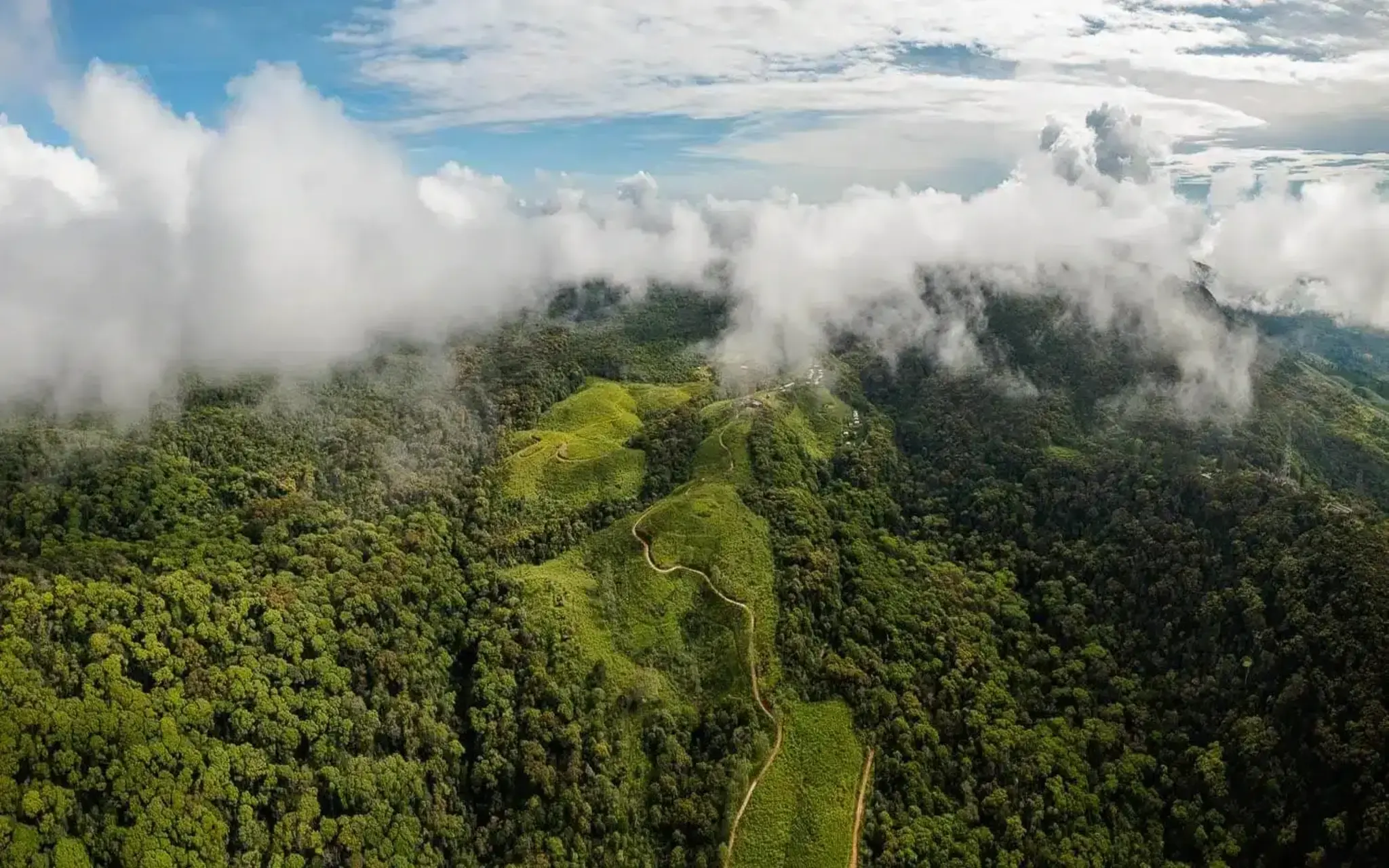
Hill country
Sinharaja
Lowland rainforest and endemic birds. Leeches, rain in any month, early starts.
Sinharaja is the last large stretch of lowland rainforest in Sri Lanka, in the wet south-west of the island, and a UNESCO World Heritage Site. It is the best place in the country for endemic birds, and it is not a comfortable place to spend a morning: humid, often wet, dark under the canopy and full of leeches.
Its mixed-species feeding flocks — a dozen or more species moving through the forest together — have been studied since 1981, and a single flock can hold several endemics: Sri Lanka blue magpie, red-faced malkoha, orange-billed babbler. Between flocks the forest can be silent for long stretches; the birding comes in waves. See bird watching.
It can rain in any month. January to April is the most reliable stretch, when the south-west is at its driest.
There are two main entrances, Kudawa on the north side and Deniyaya on the south, and you walk the forest trails with a local guide. TODO(client): confirm whether a guide is mandatory, which entrance we use, and current permit and ticket arrangements.
Wear leech socks, bring rain gear and binoculars that work in low light, and start at first light. It is not for anyone who wants big mammals or open views: this is close forest, and the reward is birds, frogs and the forest itself. Accommodation near the reserve is simple.
Sinharaja pairs with the hills around Nuwara Eliya for the montane endemics, and with Bundala on the south coast for wintering waders, all dry over the same months.
Where else to go
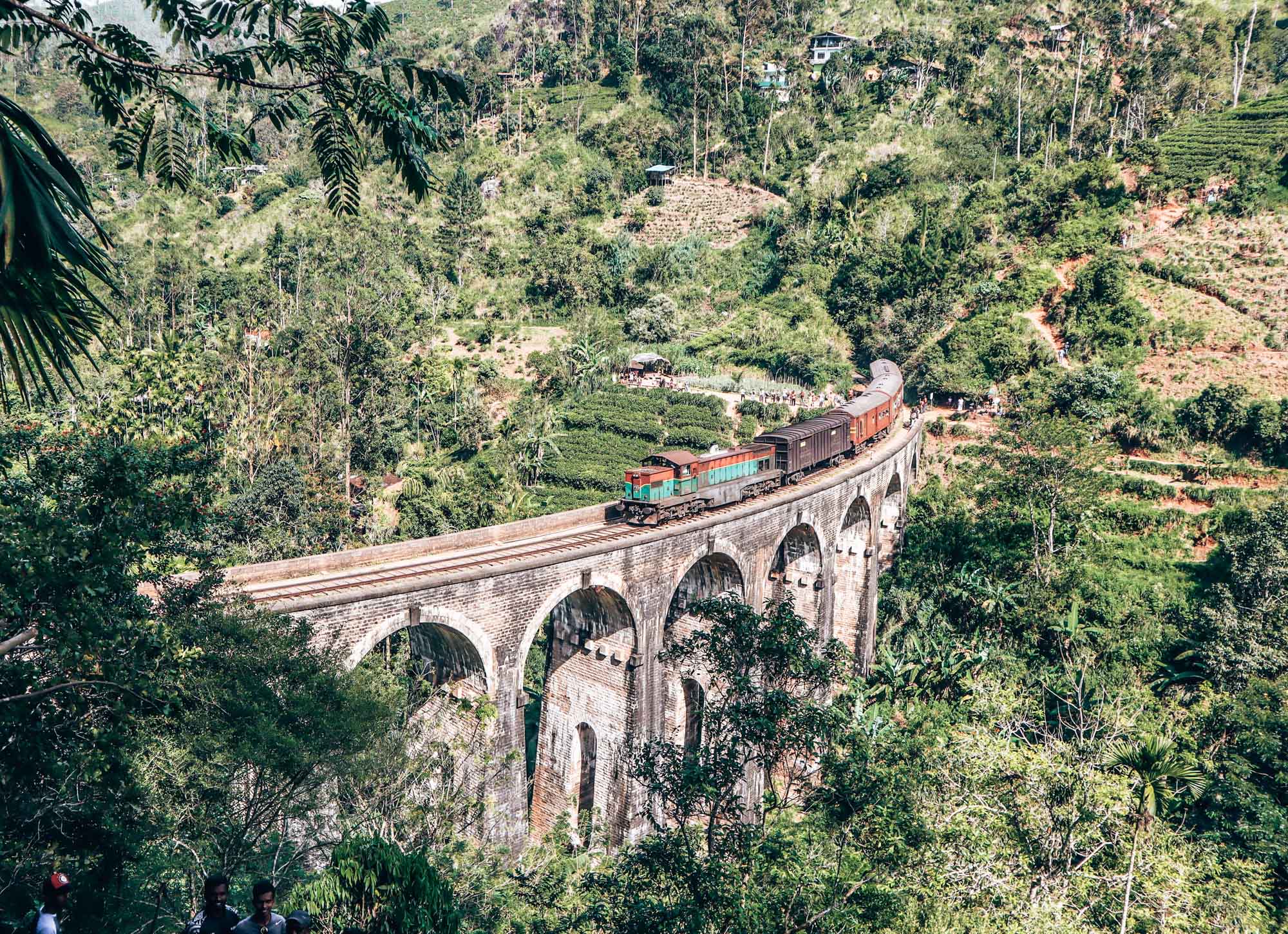 Hill countryEllaTea-country base at 1,040m. Easy by train, cold at night, busy in season.
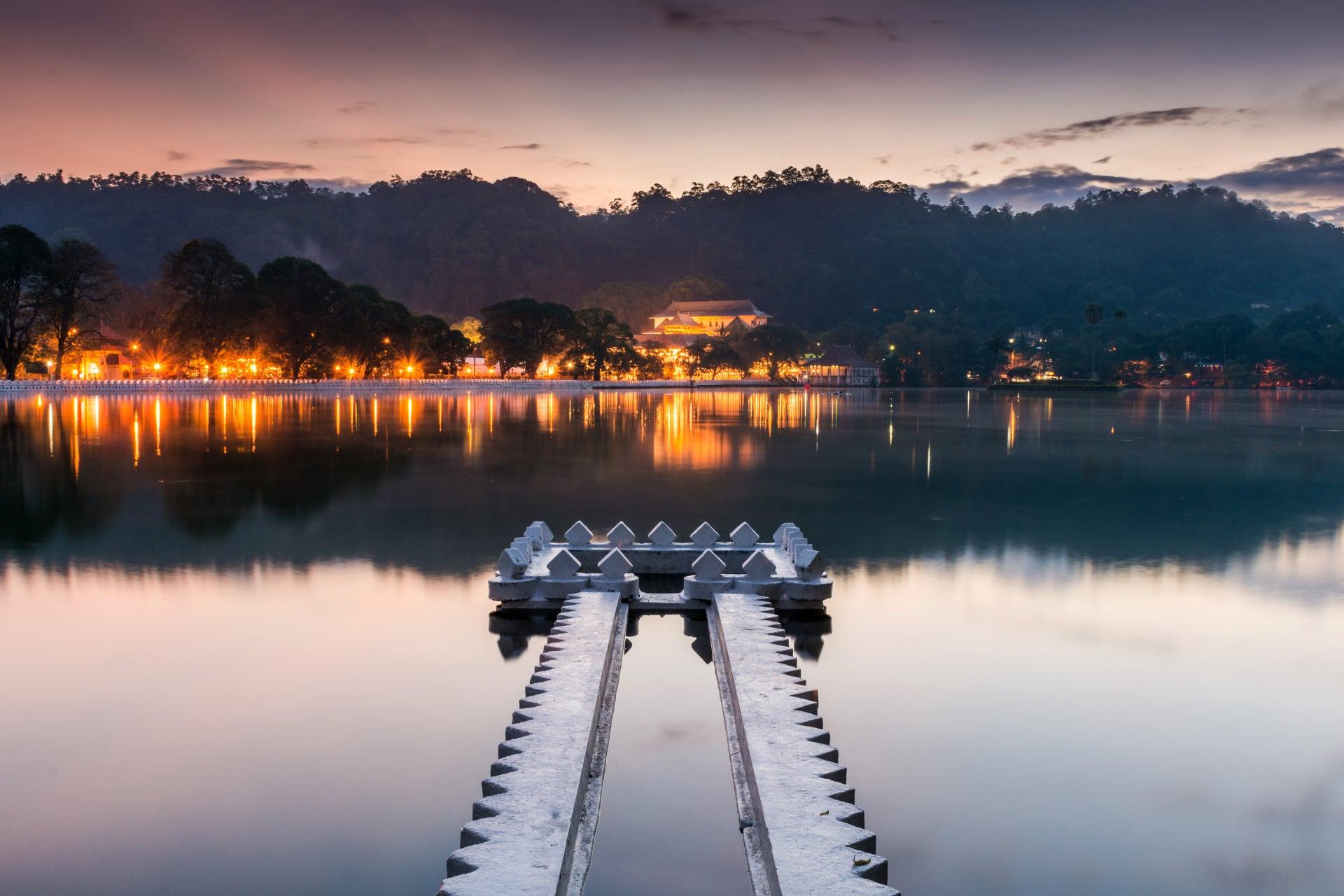 Hill countryKandyTemple of the Tooth city. Busy and traffic-heavy, but the gateway to the hills.
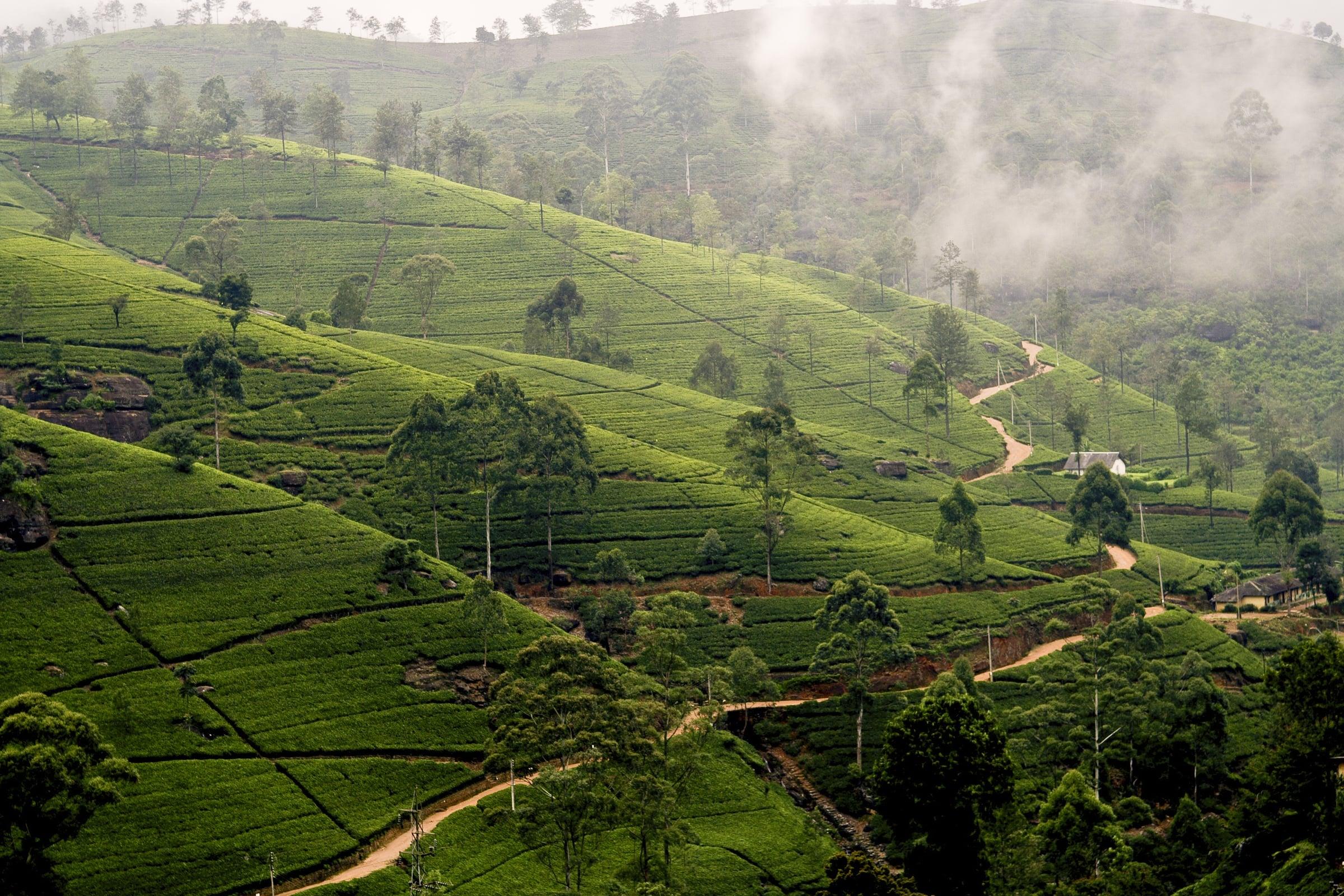 Hill countryNuwara EliyaTea-country town at about 1,900m. Cold, often misted, and packed in April.
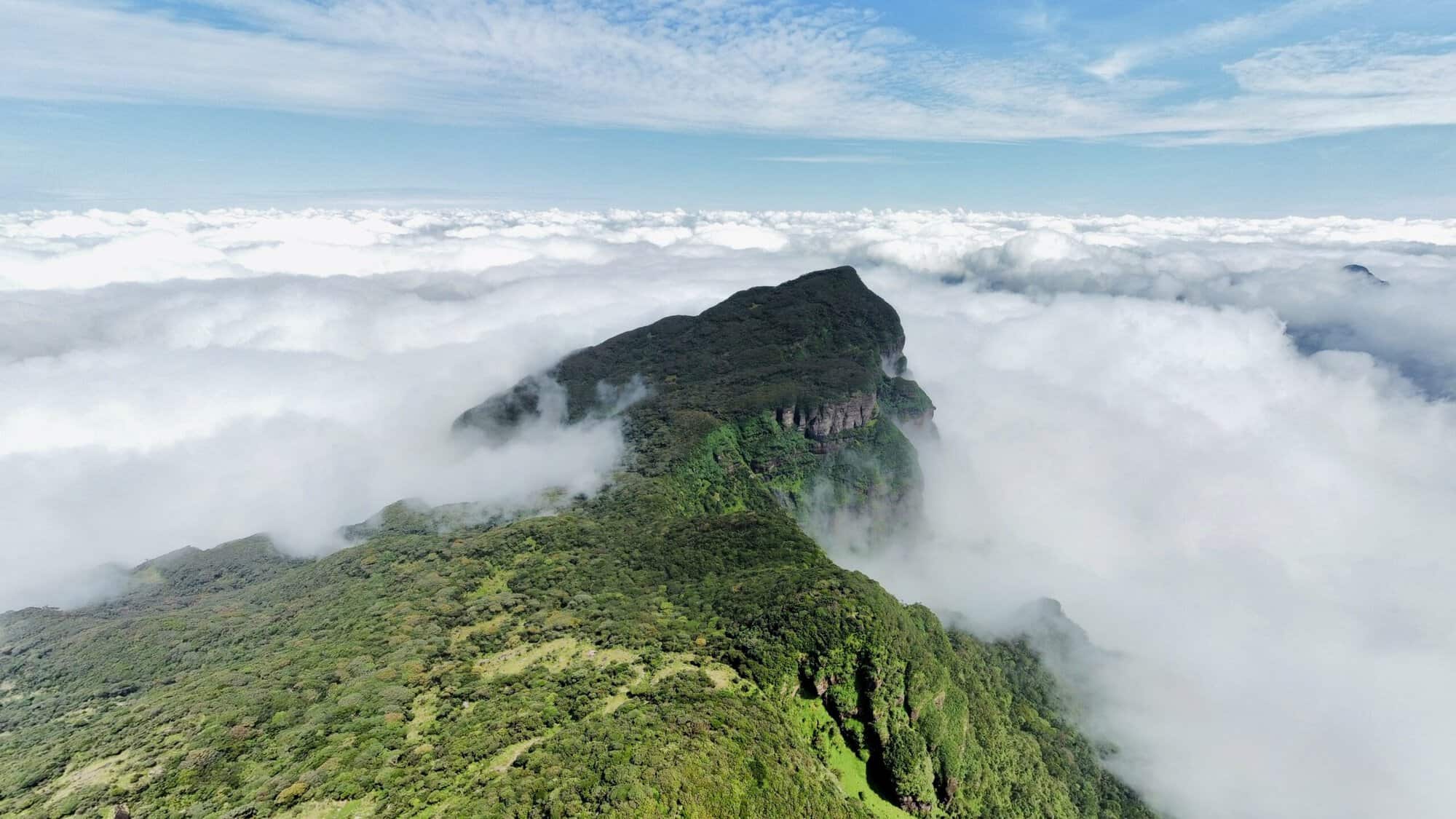 Hill countryKnucklesCloud forest and ridge walks near Kandy. Wet, misty, leeches — and empty.
- Hill countryKitulgalaRainforest rafting town on the Kelani. Grade 2-3, best May to December.
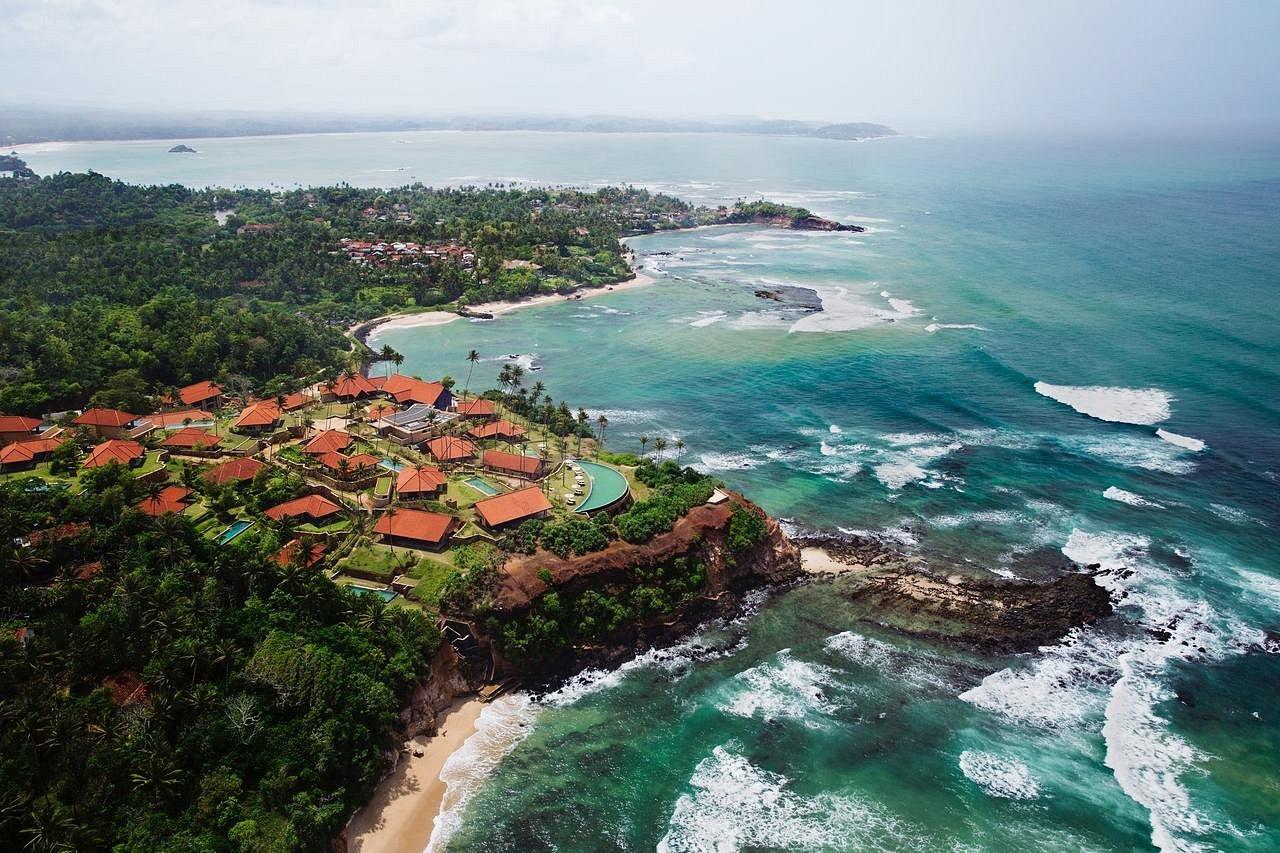 South coastWeligamaBeginner surf, November to April. Experienced surfers will find it dull.
- West coastKalpitiyaNorthwest kitesurfing peninsula. Two wind seasons, strongest June to August.
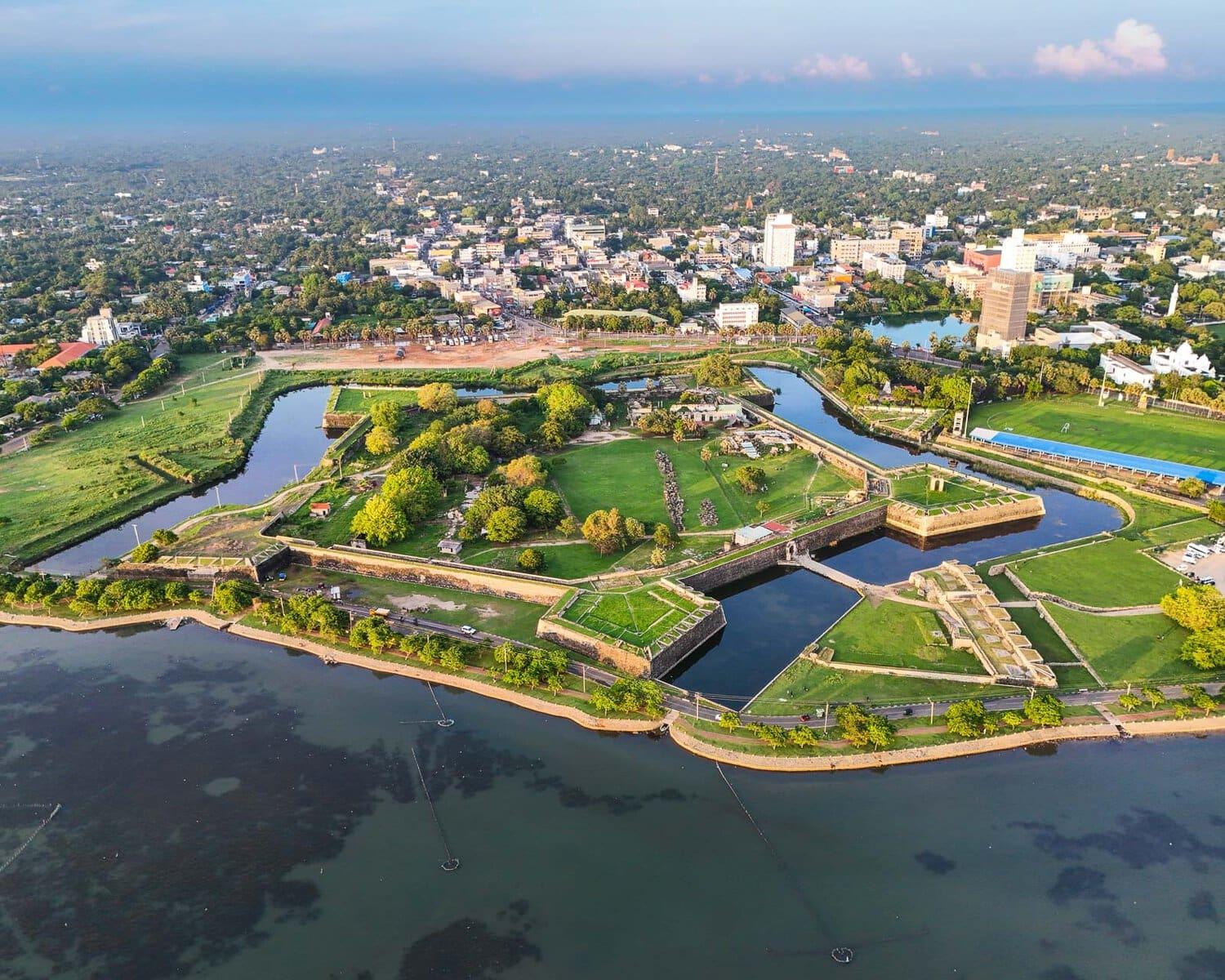 NorthJaffnaTamil north, temples and island ferries, March to September. Hot, and far.