North
Jaffna
Tamil north, temples and island ferries, March to September. Hot, and far.
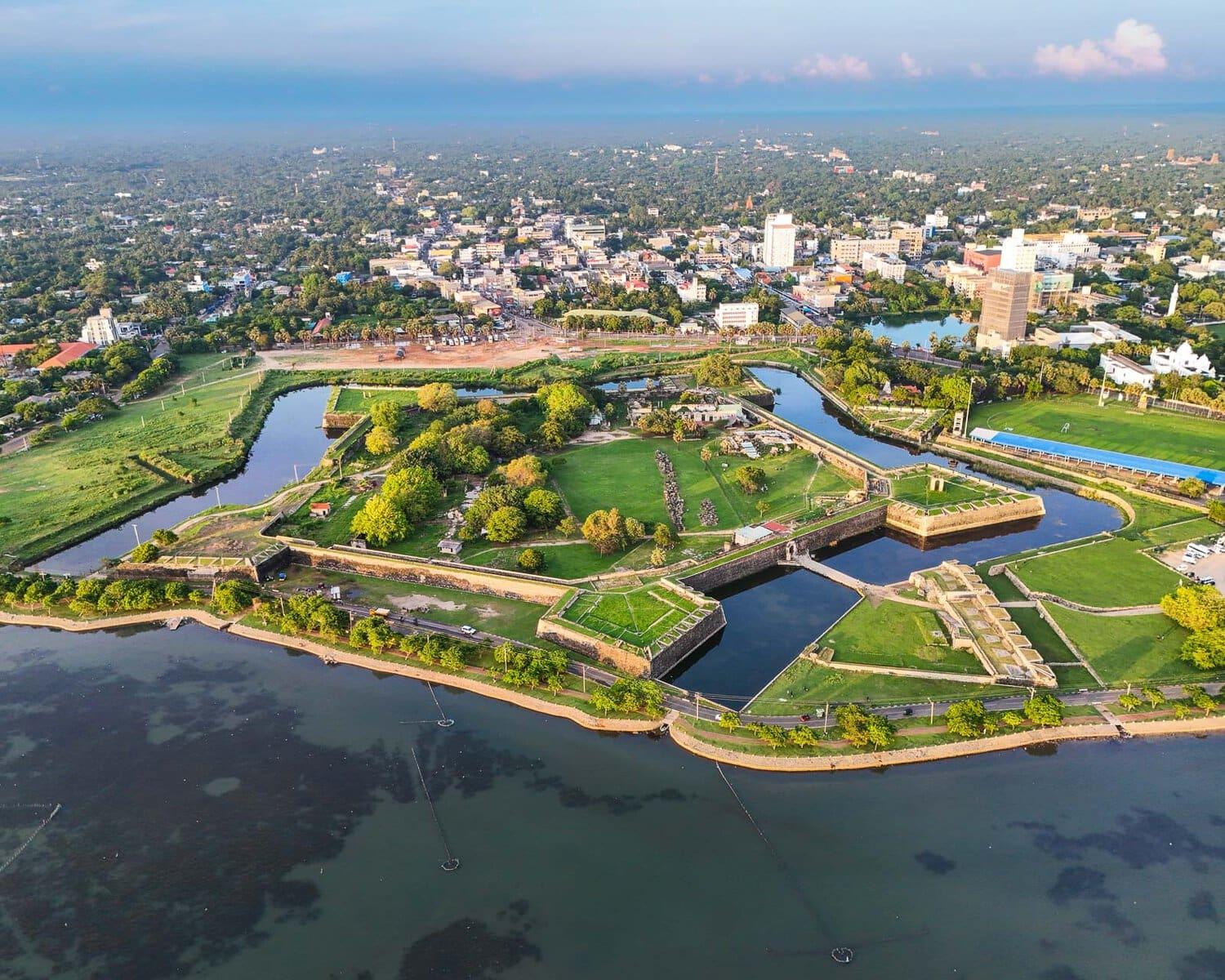
Jaffna is the cultural capital of Sri Lanka’s Tamil north, on a flat peninsula at the top of the island. It feels different from the south — the language, the temples, the food — and it sees far fewer foreign visitors. It is also a long way from everywhere else on the usual route, and hot through most of its dry season.
The north is dry from March to September, the longest dry window on the island. The northeast monsoon brings its rain from November to January.
Nallur Kandaswamy Kovil is the centre of Jaffna’s Hindu life. Its annual festival, around 25 days in July and August, is the biggest in the north, and men take their shirts off to enter the temple. The Dutch fort sits on the lagoon, and ferries run out to the islands — Nainativu, with its Hindu and Buddhist shrines, and Delft, with wild ponies and walls of coral stone. TODO(client): current ferry arrangements, and this year’s Nallur festival dates.
The food is its own cuisine: Jaffna crab curry, odiyal kool — a seafood broth thickened with palmyra flour — and more chilli than the south.
Jaffna was at the centre of the civil war, which ended in 2009, and it still shows in places. TODO(client): how our guides approach the war’s history with visitors.
It is not for a short trip, and not a beach destination. Trincomalee is the beach base on the way down the east coast, dry over the same months from May.
Where else to go
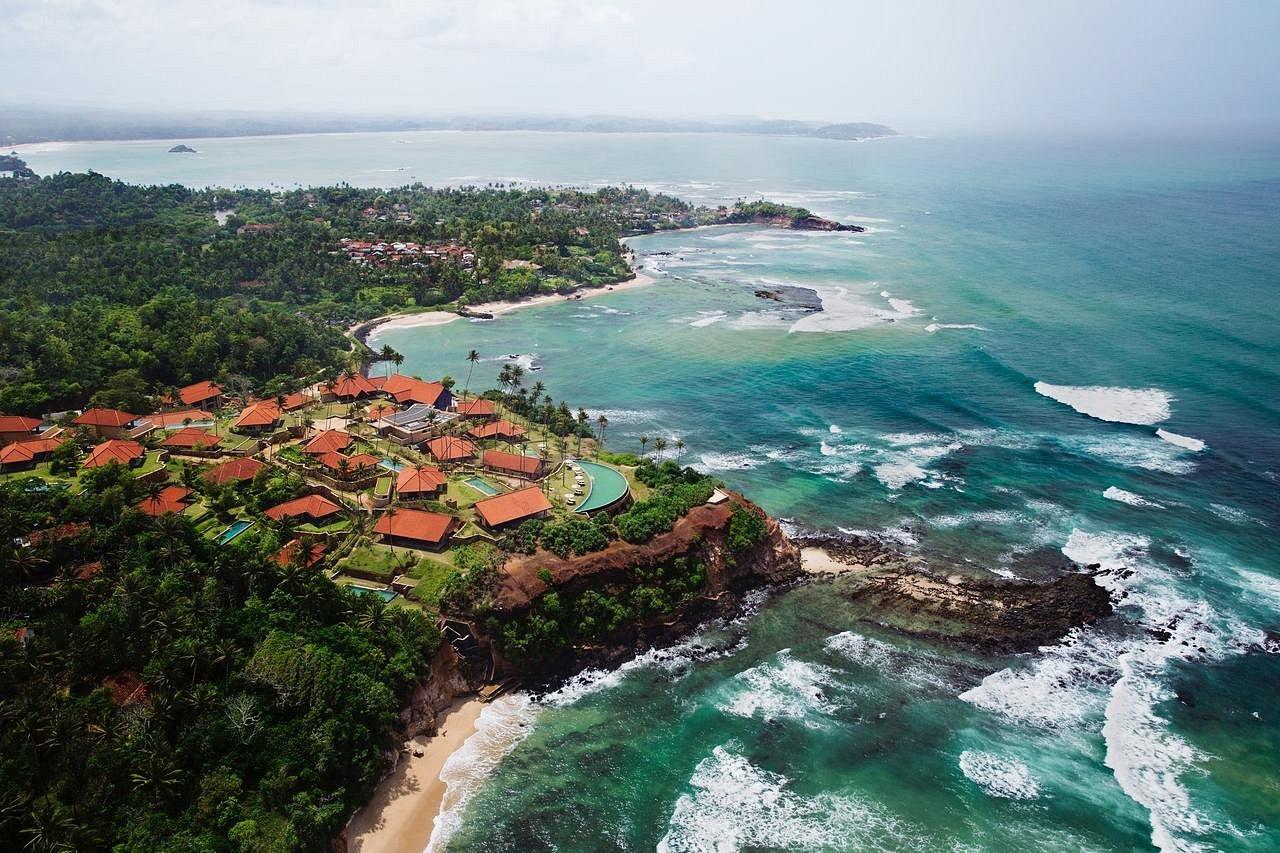 South coastWeligamaBeginner surf, November to April. Experienced surfers will find it dull.
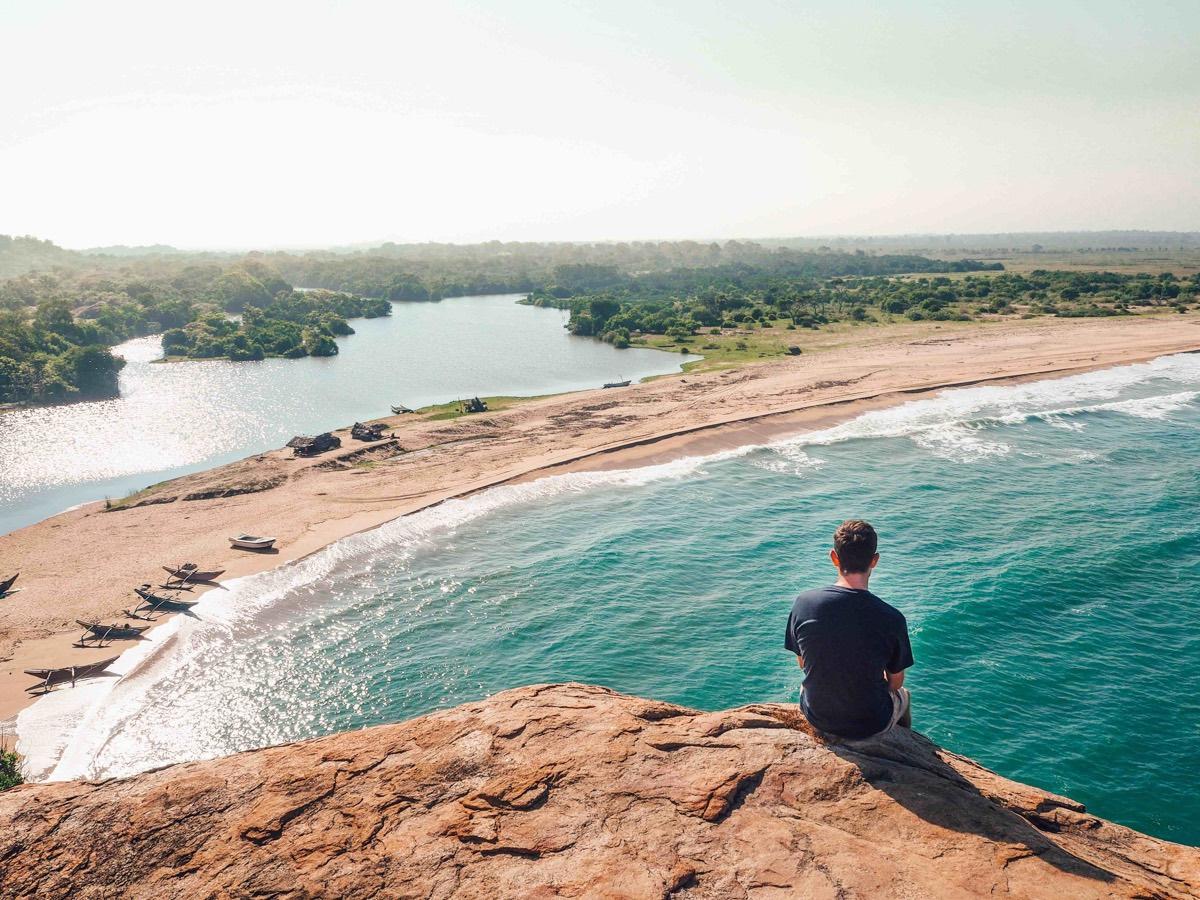 East coastArugam BayEast-coast surf town, May to September. Quiet to the point of closed otherwise.
- West coastKalpitiyaNorthwest kitesurfing peninsula. Two wind seasons, strongest June to August.
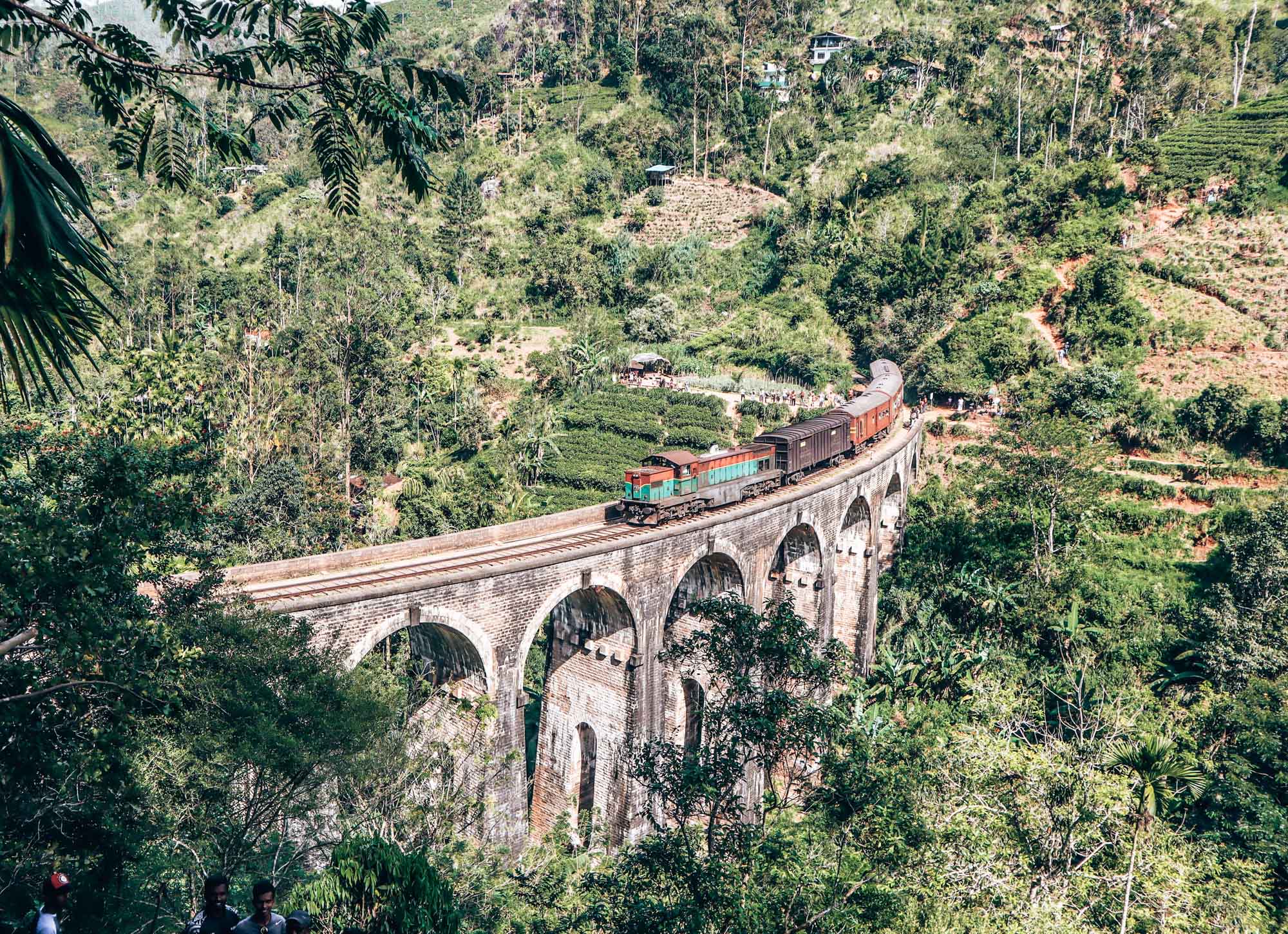 Hill countryEllaTea-country base at 1,040m. Easy by train, cold at night, busy in season.
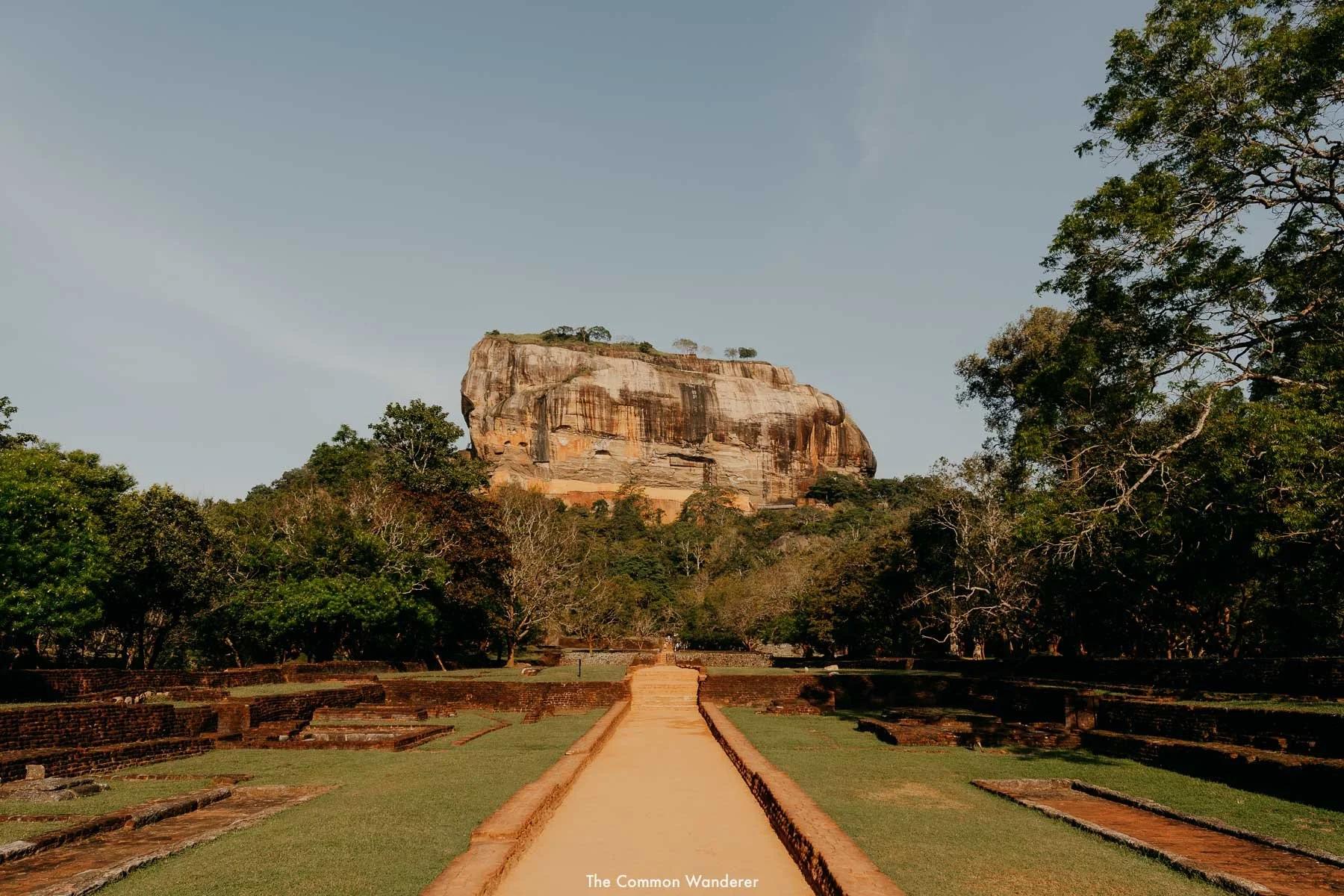 Cultural triangleSigiriya5th-century rock fortress. A hot, exposed climb of about 1,200 steps. Go early.
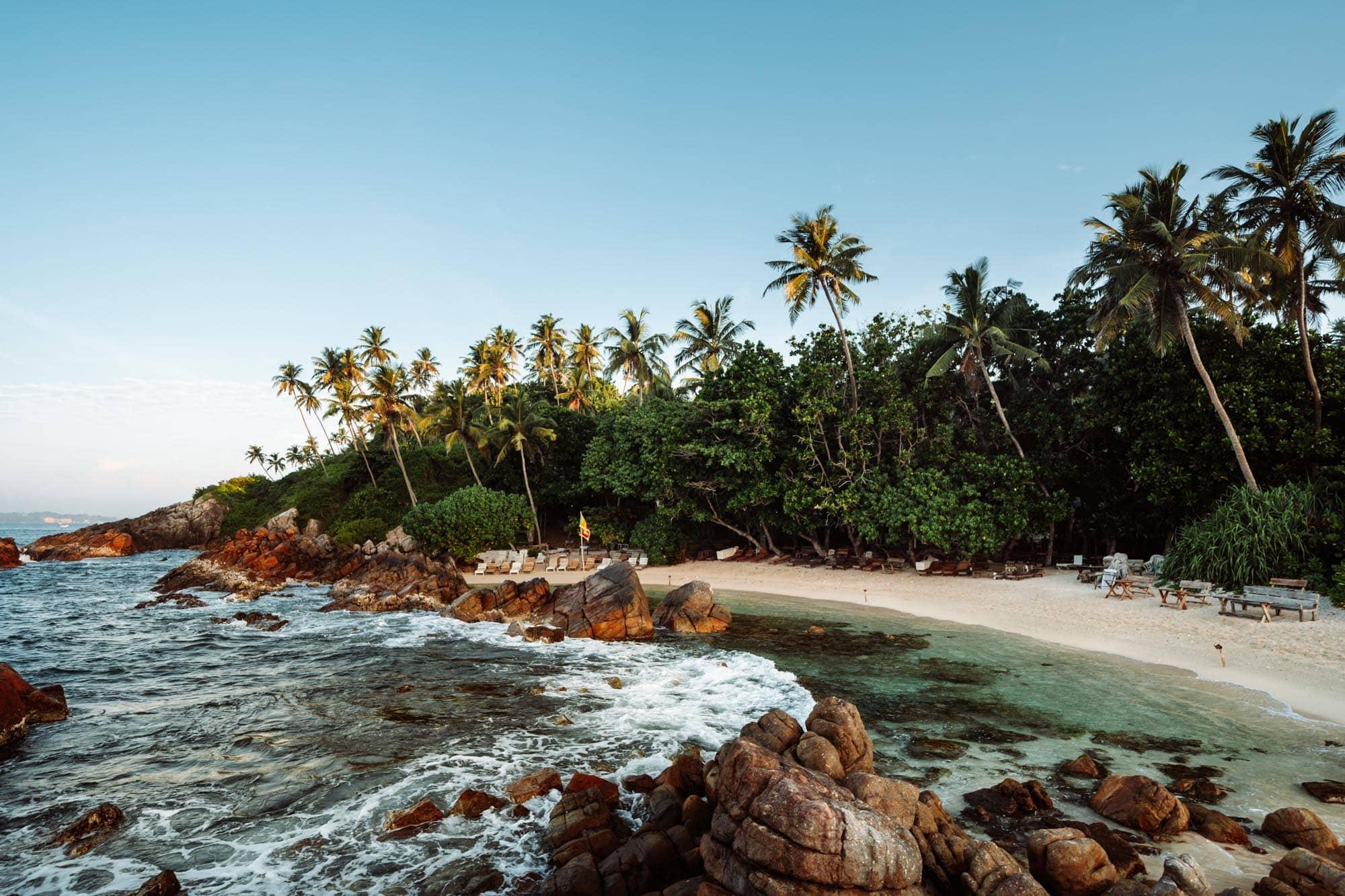 South coastMirissaWhale watching, December to April. A small beach that gets crowded in season.
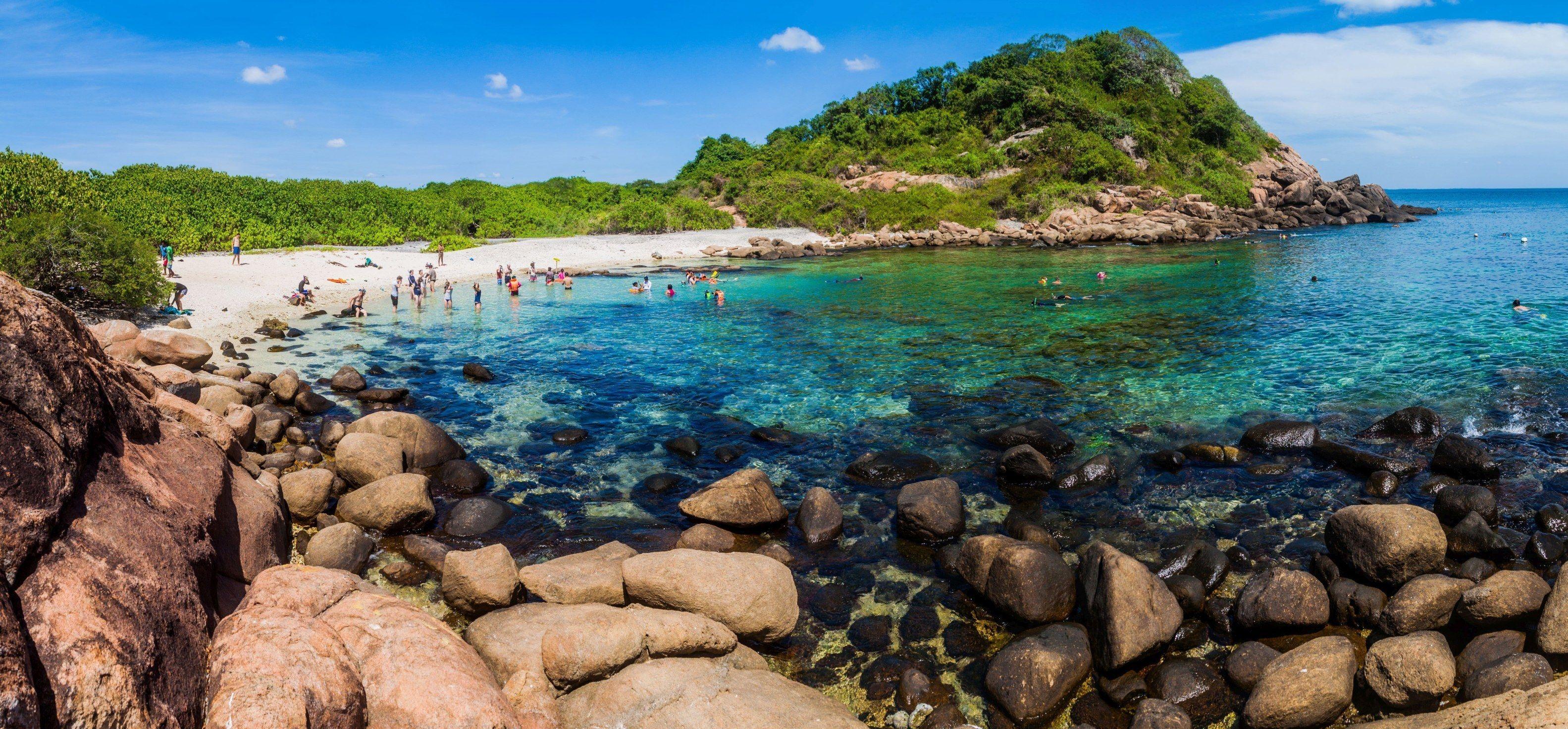 East coastTrincomaleeCalm east-coast beaches and Pigeon Island snorkelling, May to September.
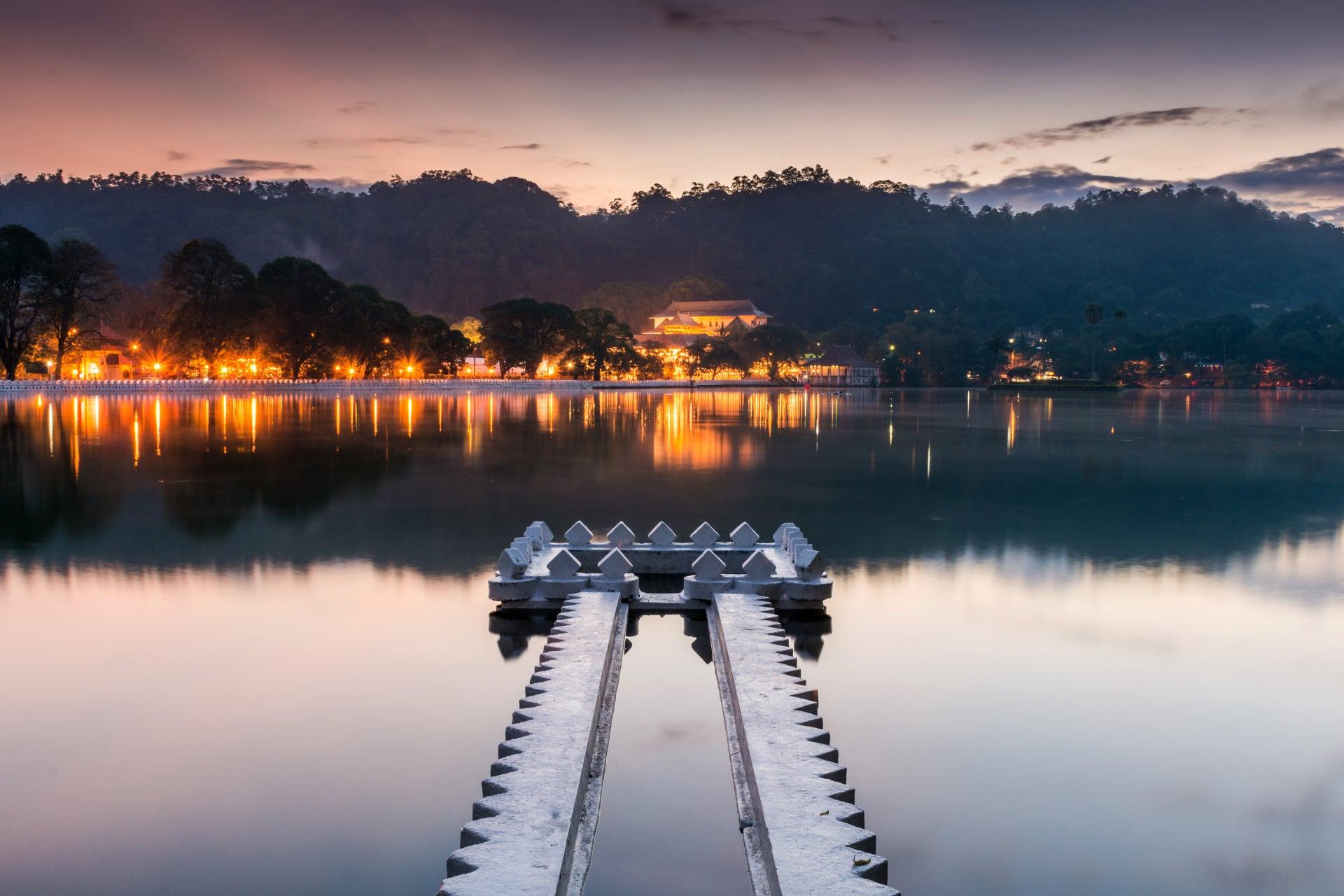 Hill countryKandyTemple of the Tooth city. Busy and traffic-heavy, but the gateway to the hills.